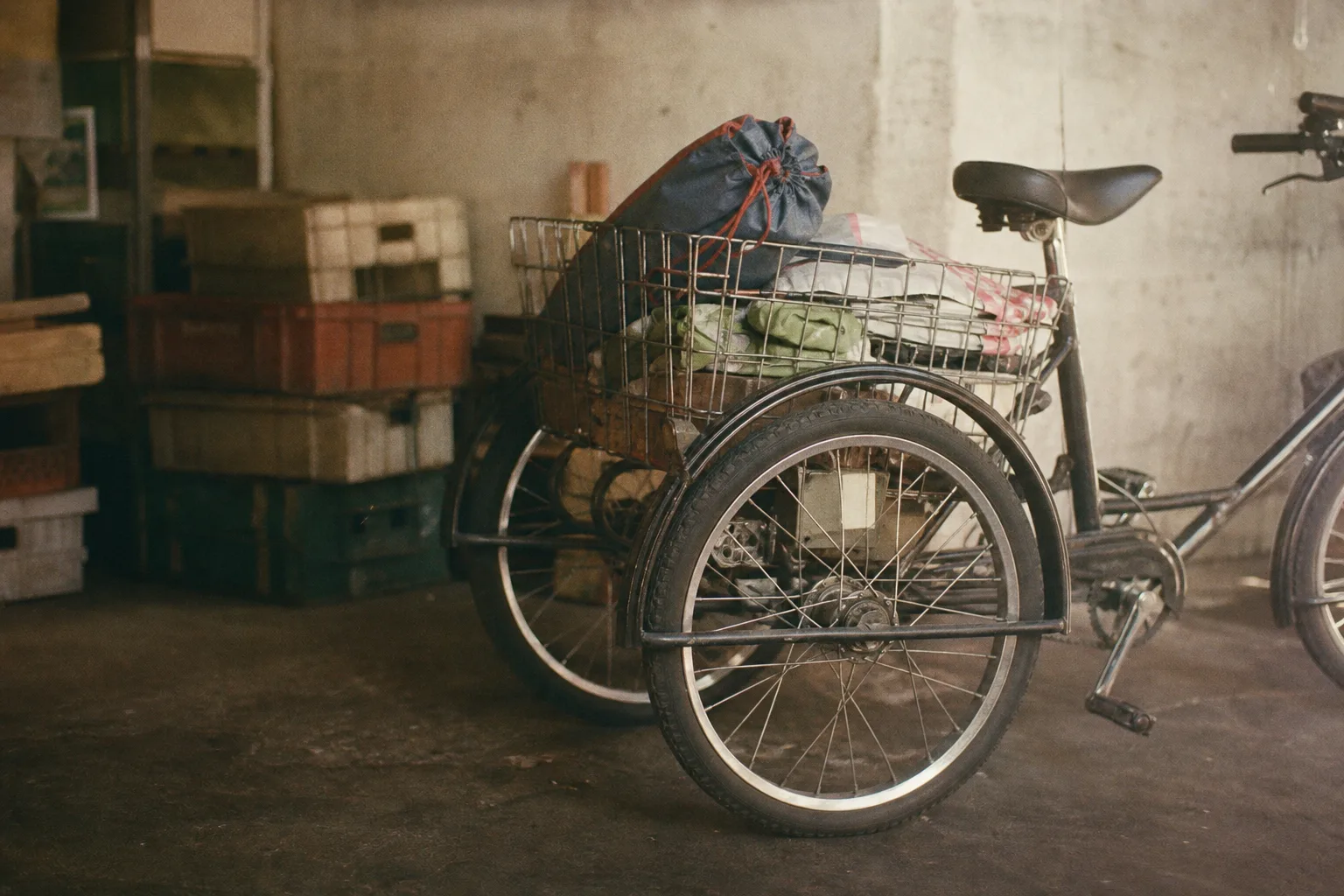
A rear rack stamped for fifty-five pounds and a front basket rated for fifteen sound generous until the load is actual objects: a case of water, two paper sacks that will not stand up straight, a folding chair, a dog. Numbers on a spec sheet describe a static load on a bench, applied evenly, with the machine upright and still. The road applies the same weight dynamically, off-center, over a driveway lip at eight miles an hour. Careful readers learn to treat published capacities as a ceiling for a good day, and to ask what happens on a bad one.
Rack and basket ratings, and what the numbers assume
Most rack ratings are given for the rack alone, not for the frame mounts, the seat stays, or the welded platform the manufacturer built into the rear axle assembly. On a delta trike with a wide cargo deck, the deck rating and the total gross vehicle weight rating are separate figures, and the second one is the binding constraint more often than buyers expect. Add rider, battery, groceries and a passenger, and a 400-pound gross rating disappears quickly. The Consumer Product Safety Commission oversees federal requirements for bicycles sold in the United States, and reputable importers publish gross weight figures precisely because they expect them to be read. Read both numbers, then subtract honestly.
Placement matters as much as mass. Sixty pounds sitting low and forward of the rear axle behaves like part of the trike; the same sixty pounds stacked high and behind the axle behaves like a lever, unweighting the front wheel on a tadpole layout or amplifying every steering input on a delta. A careful buyer loads the heavy item first, low and centered, and treats the top of the basket as space for bread and lettuce rather than for anything dense.
Hub versus disc, tested on the way down
Braking is where load reveals itself. A roller brake or a coaster-style hub brake is quiet, weatherproof, and nearly maintenance-free, which is why they persist on trikes intended for flat neighborhoods and short errands. They also shed heat slowly. On a sustained descent with sixty pounds aboard, a hub brake asked to hold speed rather than to make discrete stops will warm, and the lever will travel further for the same result. Nothing dramatic happens; the machine simply asks for more hand pressure than it did at the top of the hill.
Mechanical and hydraulic disc brakes handle that duty better, because an exposed rotor sheds heat into moving air and a 180-millimeter rotor sheds more of it than a 160. Hydraulic systems add consistent lever feel and self-adjustment as pads wear. On a loaded trike the useful configuration is discs at the two wheels that carry the most weight, with a parking brake that latches, since a loaded trike parked on a slope will roll. Riders on hilly routes generally do best with discs front and rear and a habit of braking in firm intervals rather than dragging.
Tire pressure and the places a frame gives
Underinflation is the most common cause of a trike that feels vague under load, and it is the cheapest thing to fix. A tire marked 35 to 65 psi run at 30 will squirm in corners, absorb pedal effort, and pinch-flat on curb edges, and a trike hides the symptom because three wheels do not wobble the way two do. Weigh the load and inflate toward the upper half of the printed range when carrying, checking with a gauge rather than a thumb.
Frames flex in predictable places: at the head tube on a long front boom, at the junction where a rear cargo deck meets the seat tube, and in the rear axle tubes on single-piece delta assemblies. Some flex is designed in and harmless. The check worth making is a loaded one. Put the real load aboard, roll slowly, and watch whether the fenders touch, whether the rear brake rubs, and whether the steering feels different at full lock. If the answers are no, no, and only slightly, the trike is within itself.
What to confirm before the first heavy run
Look for the gross vehicle weight rating in the manual rather than the listing, confirm which wheels have which brakes, note the rotor diameter, and find the recommended pressure on the tire sidewall instead of the marketing page. Then load it and ride the worst hill on your regular route twice. A trike that stops calmly with the week's shopping aboard has answered the only question that matters.